

Hair & Scalp Care: A Healthy Scalp Is the Foundation of Healthy Hair
When people think about personal hygiene, they often focus on their skin, teeth, or body odour. Sometimes, people tend to focus on how the skin looks rather than the real hygiene issue(s). Hair sometimes gets overlooked, especially if it looks clean on the outside.
But healthy & clean hair starts with a healthy scalp.
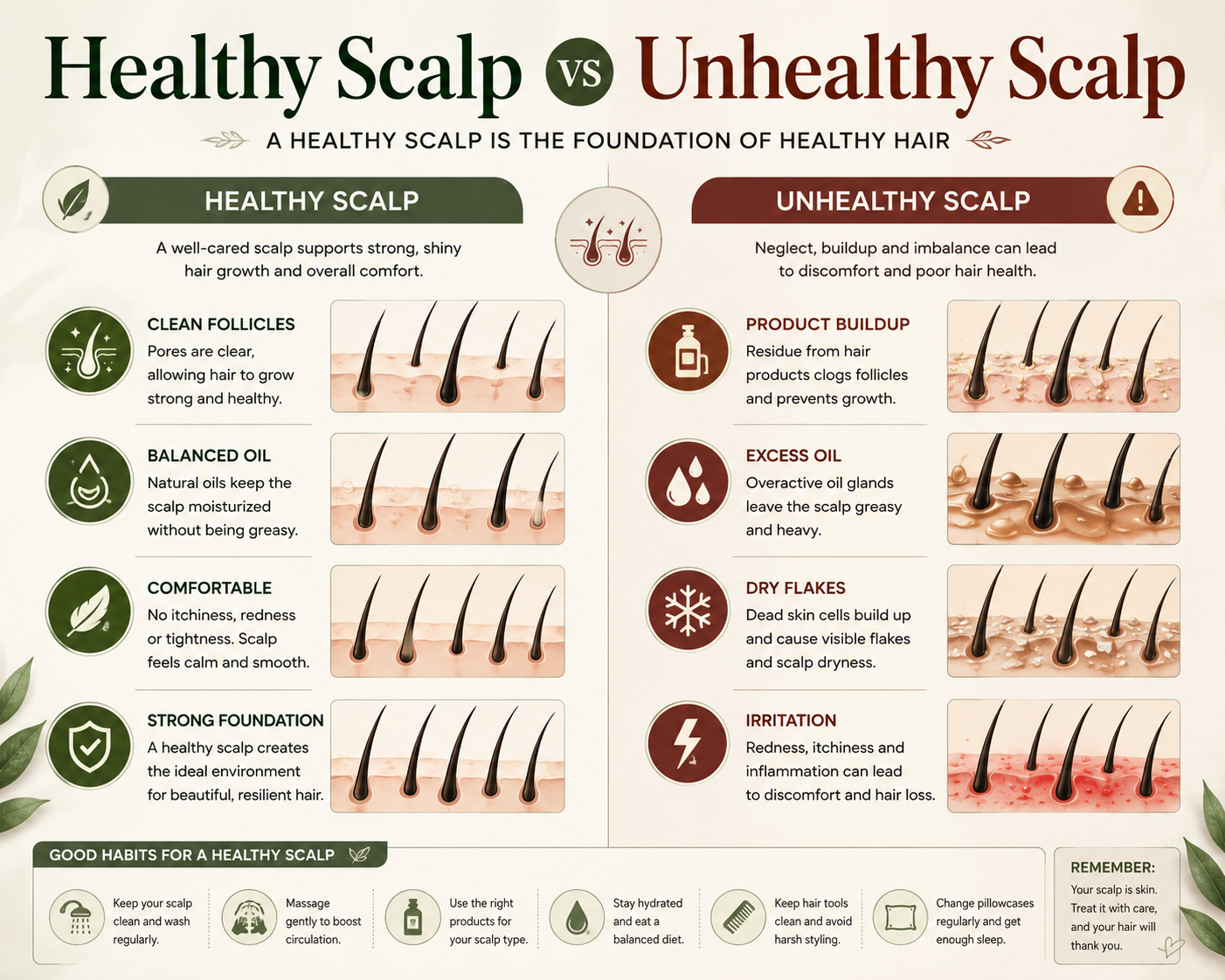
Your scalp is skin, just like the rest of your body. It produces natural oils, sheds dead skin cells, and supports hundreds and thousands of hair follicles. Looking after your scalp isn't just about appearance. It helps reduce itchiness, discomfort, dandruff, unpleasant odours, and even some forms of hair loss.
For plus-size individuals, scalp care isn't dramatically different from anyone else's. However, factors such as extra sweating, humid weather, certain health conditions, or limited airflow around the neck during hot days may mean your scalp needs a little extra attention.
Sweat Doesn't Mean Dirty Hair
Many people assume that if their scalp feels sweaty, they should wash their hair immediately.
Not necessarily.
Sweat itself isn't dirty. The issue begins when sweat mixes with natural oils that we naturally produce, dead skin cells, styling products, and bacteria. Over time, this combination can lead to itchiness, unpleasant smells, and irritation.
If you've exercised, spent the day outdoors, or live in a hot, humid climate like Malaysia, it's perfectly normal for your scalp to feel damp.
The goal is to keep your scalp fresh, not to strip it of every natural oil.
How Often Should You Wash Your Hair?
There isn't a single rule that works for everyone.
Your ideal washing routine depends on your hair type, scalp condition, lifestyle, and how much you sweat.
As a general guide:
- Oily scalp: every 1 to 2 days
- Normal scalp: every 2 to 3 days
- Dry or curly hair: every 3 to 7 days (again, depends on your lifestyle)
- After intense exercise or heavy sweating: wash when needed
If your scalp becomes itchy, greasy, or develops an unpleasant smell before your next scheduled wash, it's usually your body's way of telling you it's time.
Shampoo Cleans the Scalp, Not Just the Hair
One of the most common mistakes is focusing shampoo only on the hair strands.
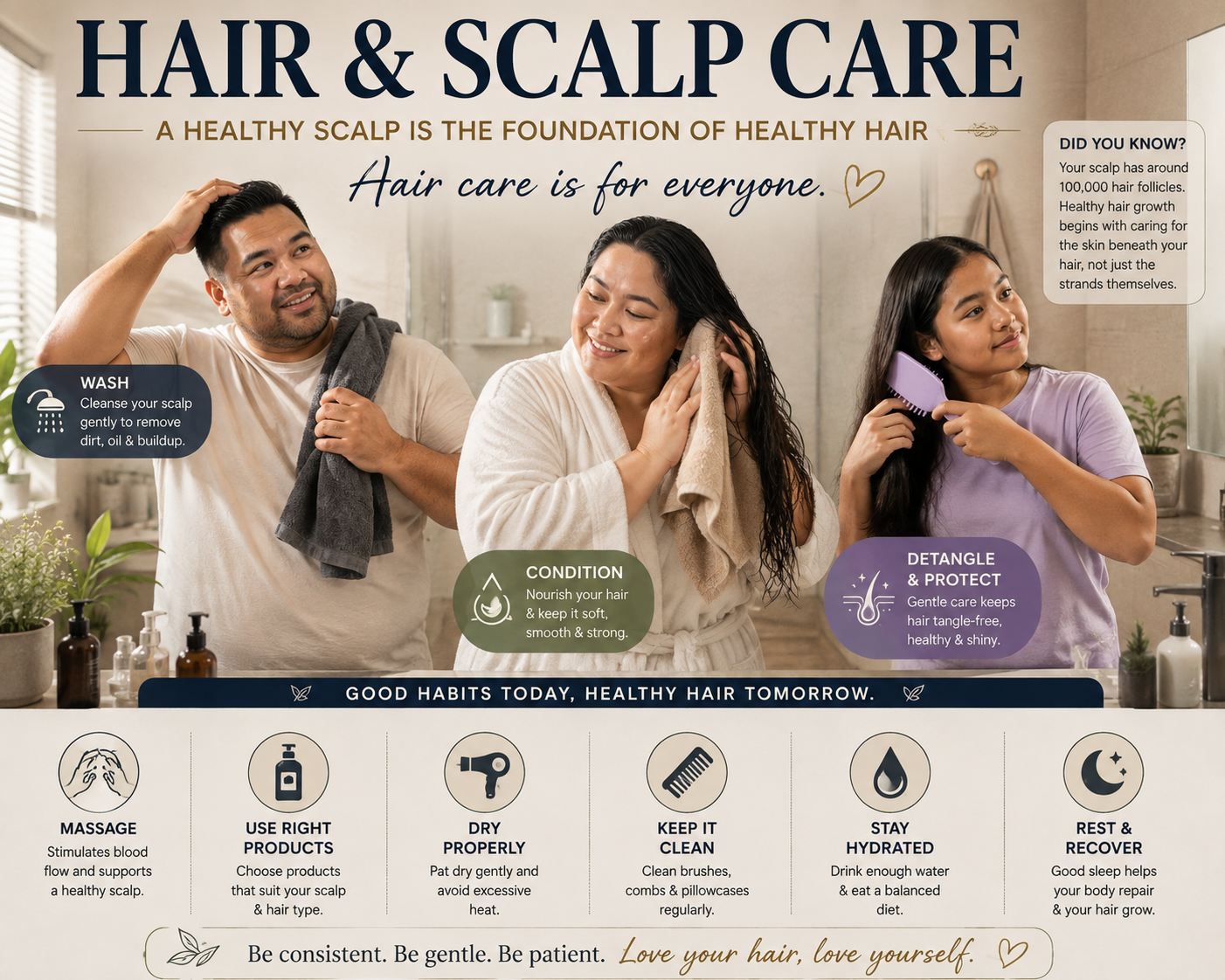
Instead, massage shampoo gently into your scalp using your fingertips, or simply use a scalp massager/gentle bristle hair brush. This helps lift away excess oil, sweat, dead skin cells, and product build-up.
Avoid scratching your scalp with your fingernails, as this can cause tiny cuts that increase irritation and the risk of infection.
Your hair lengths don't usually need vigorous scrubbing. As you rinse, the shampoo running through your hair is often enough to clean it.
As for me, I've always practice the double-wash method where you shampoo once, rinse thoroughly, then shampoo again for the second time. The 1st one usually removes dirt, oils or any impurities build ups. And the second one acts like a scalp cleanser. Similar to people who wears make-ups. Double cleanse it to make sure no residue got left behind. And girls (or guys with long hair), listen up! Double-wash WILL give volume on hair. Giving your hair a more bouncy and sassy looking!
Don't Skip Conditioner
Some conditioner isn't meant for your scalp. Make sure you take note on this matter.
Regular conditioner's purpose is to moisturise and protect the middle and ends of your hair, where dryness and damage are most common.
Applying regular conditioner directly to the scalp may leave some people feeling greasy, particularly if they already have an oily scalp.
Instead, apply it from the mid-lengths to the ends, leave it in for couple of minutes (while you attend to other body parts) before rinsing thoroughly. Always use cold or lukewarm water for hair. Not the usual hot shower.
Dry Your Hair Properly
Leaving your hair soaking wet for long periods may make your scalp feel uncomfortable, especially in warm climates.
After washing:
- Gently squeeze excess water from your hair.
- Pat it dry with a clean towel instead of rubbing vigorously.
- Allow it to air dry, or use a hair dryer on a low or medium heat setting if you're in a hurry.
- Minimal hair-styling products if needed.
Sleeping with very wet hair isn't ideal, particularly if it becomes a regular habit.
Pay Attention to Dandruff
Not all white flakes are the same.
Some people have dandruff caused by excess oil and yeast on the scalp, while others experience dry scalp from irritation or harsh products. Having Candida (yeast infection) could also cause a dandruff-ish build up. And that requires a lot more treatment (like antibiotics) rather than just basic hygiene care. If your dandruff is a recurring thing or has been a constant issue, I'd suggest you do some research, then, get yourself medically checked.
If over-the-counter anti-dandruff shampoos don't improve the condition after several weeks, or if you notice redness, thick scales, bleeding, or significant hair loss, it's worth consulting a healthcare professional for an assessment.
Keep Hair Tools Clean
Hairbrushes, combs, towels, and pillowcases collect oil, dead skin cells, and product residue over time.
Cleaning them regularly helps reduce the transfer of dirt and bacteria back onto your freshly washed hair.
As a simple routine:
- Wash combs and brushes every one to two weeks (every few days if you wear hair products before brushing/combing)
- Change pillowcases at least once a week.
- Use a clean towel for drying your hair.
Small habits like these make more difference than most people realise.
Nourish Your Hair From Within
Healthy hair depends on more than the products you use.
Protein, iron, zinc, omega-3 fats, and vitamins all contribute to healthy hair growth. Staying hydrated and getting enough sleep also play important roles.
No shampoo can fully compensate for poor nutrition or ongoing stress.
Final Thoughts
Taking care of your hair isn't about chasing perfect, glossy strands that belong in a shampoo commercial.
It's about keeping your scalp clean, comfortable, and healthy. Once your scalp is in good condition, healthy hair has the best chance to grow and thrive.
In our next article, we'll move from the scalp to the face as we explore Facial Skin Care and how to build a simple routine that keeps your skin clean, healthy, and comfortable.
Here's A Little EXTRA Tips From Yours Truly
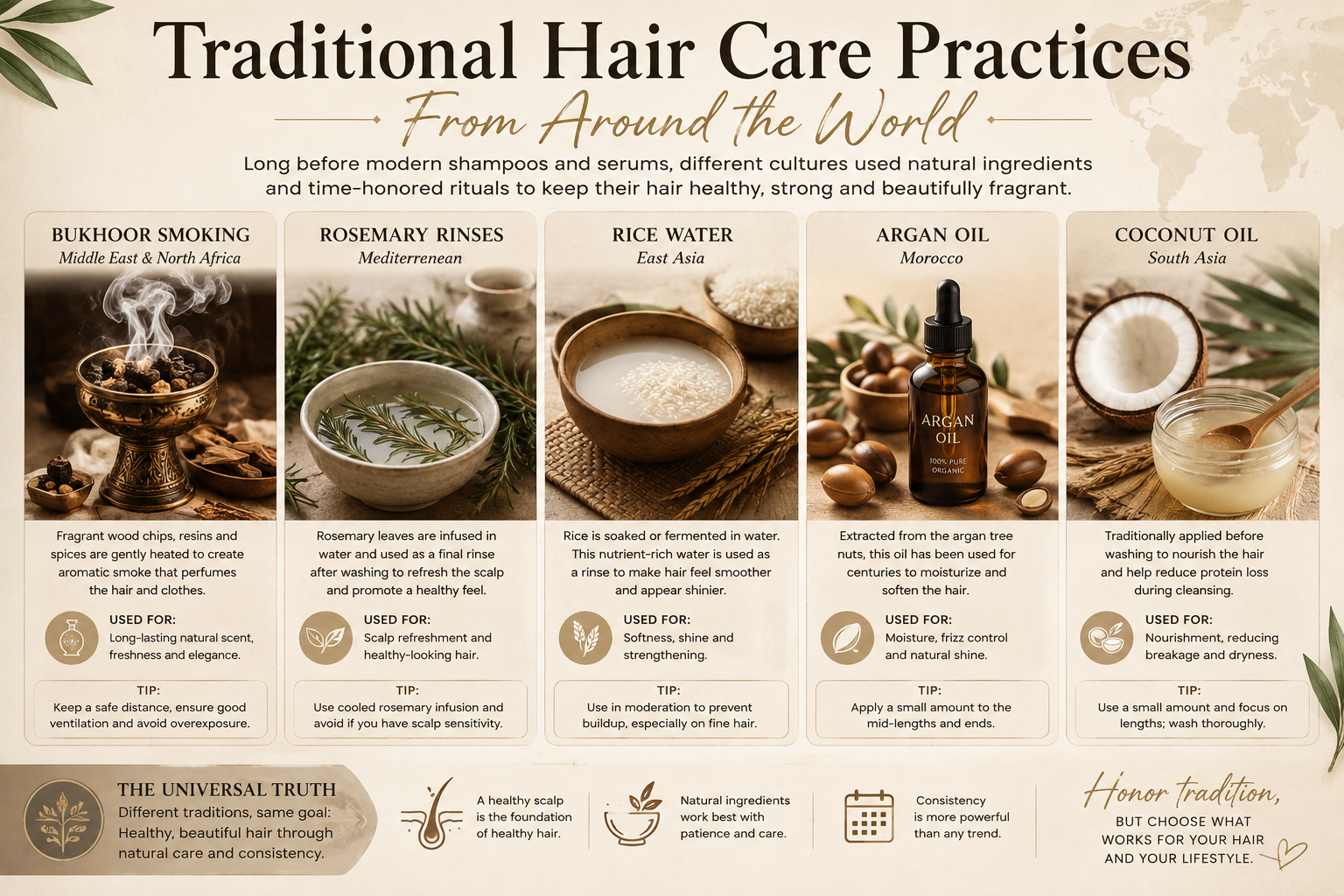
Tell us your hair & scalp hygiene routine in the comment section below. Don't gate-keep it from us!! Or if you have any questions for specific haircare/hygiene routine, or need suggestions on any product, shoot down below. I'm sure someone (or me *wink,wink*) will answer your questions.